



Is EMDR Right for Me?
October 30, 2026
EMDR may be worth discussing if memories of a traumatic experience still disrupt your daily life. It is a therapy used to treat PTSD, but deciding whether it fits your needs takes more than recognizing a few symptoms. A conversation with a qualified therapist can help you understand your options and what treatment would involve.
You might be curious about EMDR and uneasy about it at the same time. Will you have to describe everything that happened? What if you become overwhelmed? How will you know whether this approach makes sense for you?
Those are useful questions to bring to a consultation.
What Is EMDR Therapy?
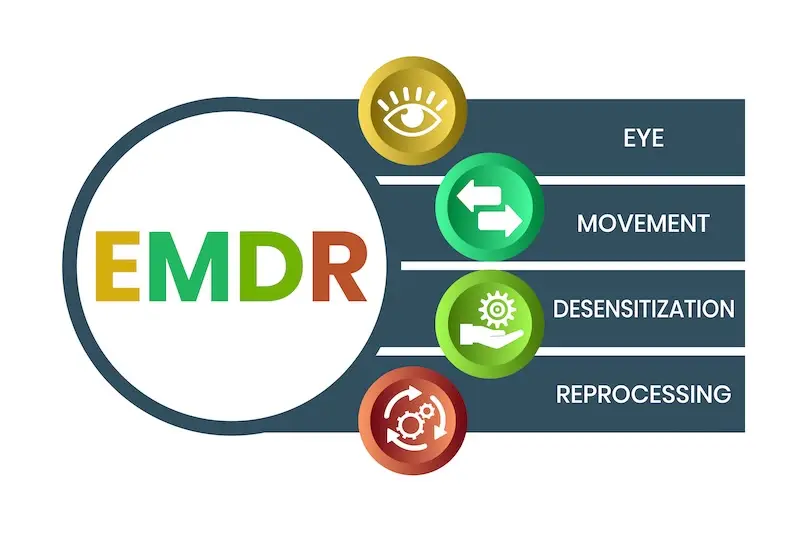
EMDR stands for Eye Movement Desensitization and Reprocessing. It is a structured form of psychotherapy that includes focusing on distressing memories. During this work, you may follow a moving target with your eyes or notice alternating taps or sounds.
The treatment addresses the memory along with related thoughts, emotions, and physical sensations. Its goal is to reduce the distress connected with the experience. It does not erase what happened.
The VA’s overview of EMDR describes an approach with several phases, including history-taking, preparation, memory processing, and reevaluation. Eye movements are one part of that process; they are not a complete treatment on their own.
When Might EMDR Be Worth Discussing?
An assessment may be helpful when reminders of a traumatic experience keep interfering with sleep, relationships, work, or everyday activities.
For example, you might notice unwanted memories, nightmares, avoidance of reminders, or feeling constantly on guard. These are among the symptoms described in NIMH’s guide to PTSD. Having one of these experiences does not, by itself, establish a diagnosis or determine which treatment you need.
Consider this fictional example: after a serious collision, someone avoids a familiar route and feels intense fear as a passenger. They want to understand the reaction and feel more comfortable traveling again. That gives a therapist something concrete to assess and a meaningful goal to discuss.
You can start with what is difficult now. You do not need to arrive with a treatment decision already made.
How Do You Decide Whether EMDR Fits Your Needs?
A treatment can have good research behind it and still require an individual conversation about fit.
The American Psychological Association’s PTSD guideline explains that treatment choices should consider research alongside a person’s preferences and history, individual differences, and the clinician’s expertise.
In practice, that means discussing your current concerns, what you hope will change, other care you receive, and any worries about treatment. You can also ask how the therapist would assess progress and respond if the approach needs to change.
For PTSD, EMDR is one of several recommended options. The VA’s review of PTSD psychotherapy also identifies Cognitive Processing Therapy and Prolonged Exposure as treatments with strong evidence. Ask which options are appropriate and available to you.
EMDR’s evidence for PTSD should not be treated as proof that it is the best treatment for every type of anxiety, grief, or emotional distress.
What Happens Before Memory Processing Begins?
EMDR involves more than starting with a painful memory at the first meeting.
The VA’s patient guide to EMDR describes an initial stage that includes learning about trauma reactions, discussing readiness, and developing coping skills. The therapist then helps identify a memory and its related thoughts, feelings, and physical sensations.
Use that preparation time to ask questions. For example:
“I want help with this, but I am worried about feeling overwhelmed. How would we handle that?”
You can ask what a session would look like, how to communicate that you need a pause, and what to do if concerns come up between appointments. You do not have to hide uncertainty to show that you want help.
What If You Are Worried About Reliving Everything?
That concern deserves a clear answer before treatment begins.
EMDR does involve bringing distressing material to mind. It is not a way to work on trauma without encountering memories or feelings. However, the VA explains that people usually do not need to give a detailed spoken account of the event. Discomfort can occur while focusing on trauma-related memories or beliefs. Read the VA’s explanation of what EMDR involves.
Tell the therapist what concerns you most. Is it talking about details, losing track of the present, or returning to your day after a difficult session? Specific concerns make the conversation more useful than trying to decide whether you are simply “ready enough.”
If you are experiencing ongoing danger or other urgent difficulties, bring those up during assessment. They matter when planning appropriate care. NIMH discusses treatment considerations when trauma is ongoing.
Questions to Ask Before Starting EMDR
You do not need to interview a therapist perfectly. Choose the questions that address what matters to you:
What EMDR training and experience do you have with concerns like mine?
Why might you recommend EMDR for my situation?
What alternatives should we consider?
What would preparation and memory processing involve?
How would we review progress and discuss any difficulties?
What should I know about appointment length, scheduling, and cost?
Write down your most important question before the consultation. If it feels difficult to say aloud, you can read it directly.
The purpose is to understand the proposed treatment and take part in the decision.
Exploring EMDR in Frisco and Prosper
Findlay Therapy Services offers EMDR therapy in Frisco and Prosper and trauma counseling. You can ask about an appropriate therapist, current availability, and what an initial conversation would involve.
If you are wondering, “Is EMDR right for me?”, you can begin with a smaller question: “Can we talk about what I am experiencing and which approaches might help?”
Contact Findlay Therapy Services to request a consultation. You do not need to choose a treatment before asking for help.
Frequently Asked Questions
Is EMDR only for veterans?
No. PTSD can affect people after many kinds of traumatic experiences, including serious accidents, assault, or disasters. EMDR is not limited to military-related trauma. NIMH explains who can develop PTSD.
How many EMDR sessions will I need?
There is no single number that applies to everyone. Your history, treatment targets, needs, and response affect the plan. Ask how the therapist would estimate the course of care and review it with you. See the VA’s professional overview.

Christy Findlay works with individuals, couples, and families navigating anxiety, depression, trauma, relationship challenges, parenting stress, grief, life transitions, and emotional regulation. She provides a warm, supportive space to help clients build practical coping skills, strengthen relationships, and create meaningful change. Learn more about Christy or request an appointment today.
Recent Posts
Get A Free Consultation
Get Started Today
Therapists in Frisco and Prosper
Frisco Location
5899 Preston Rd #1201, Frisco, TX 75034
Prosper Location
291 South Preston Road #1130, Prosper, TX 75078